Zichen "Charlie" Zhang

Zichen "Charlie" Zhang

About Me

I was the first full-time hire at Mira (formerly Halo), an AI smart glasses startup in San Francisco. I joined at pre-seed. Mira raised $6.6 million from General Catalyst, Naval Ravikant, Pillar VC, Soma Capital, Village Global, and angel investors.

At Mira, I worked on the voice and memory systems that turn everyday conversations into useful context for the glasses. That included real-time transcription, speaker recognition, backend infrastructure, and long-term agent memory.

Before Mira, I worked at Supercell’s AI Lab. Supercell is the company behind Brawl Stars, Clash Royale, and Clash of Clans. I built an LLM-powered NPC dialogue system whose characters responded to players with changing moods and branching storylines.

I studied Computer Science at the University of Michigan and was part of LSA Honors.

You can reach me at charliezhang325@gmail.com.

Projects

*
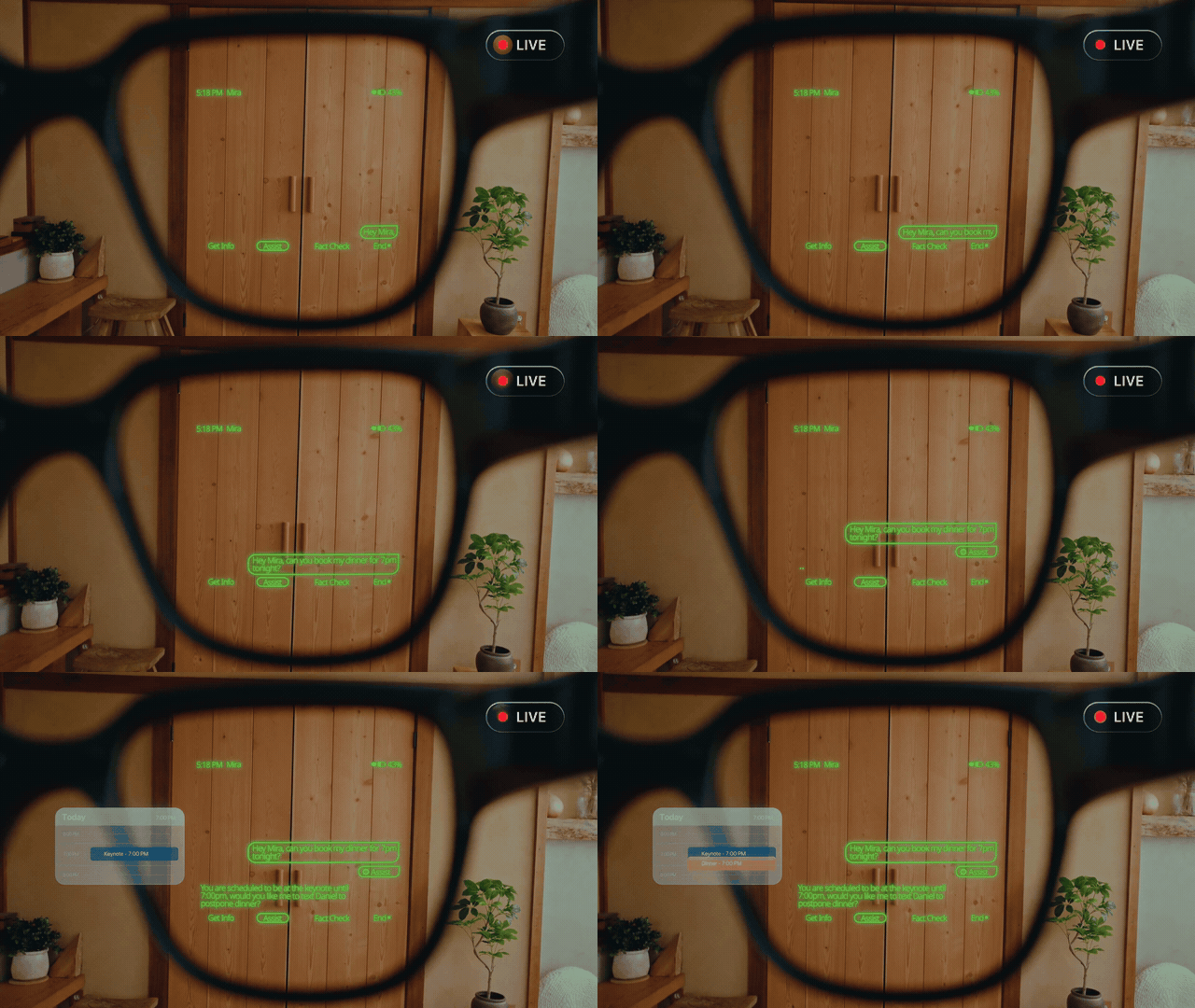
Mira Gen 1: AI Smart Glasses for Infinite Memory
🏆 Best Extended Reality (AR & VR) 🏆. Lightspeed 2026 Game Changers
Mira is a pair of camera-free AI display glasses that turns conversations into searchable memory and provides real-time answers and translation. The 39g glasses have dual MEMS microphones, dual speakers, a private dual-waveguide display, and a smart ring for gesture control. As Mira's first full-time hire, I built speech-to-text, voice activity detection, and speaker diarization with Soniox and WebRTC; deployed voice-fingerprinting models with TorchServe and PyTorch Audio; and developed agent memory with mem0, semantic search, and graph retrieval. I also built FastAPI and WebSocket services on AWS ECS with autoscaling.
Mira Gen 1: AI Smart Glasses for Infinite Memory
Simpler is Better: Finding the Best Reward Function in Long Chain-of-Thought Reinforcement Learning for Small Language Models

Luning Wang*, Zichen Zhang*, Junkuan Liu*.

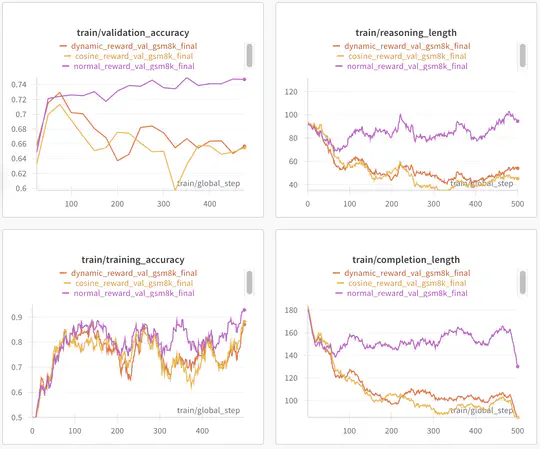
We compared normal, cosine, and dynamic reward functions for long chain-of-thought reinforcement learning in small language models. The plain normal reward consistently beat the more complex designs, so added reward complexity did not improve reasoning in our experiments.
Simpler is Better: Finding the Best Reward Function in Long Chain-of-Thought Reinforcement Learning for Small Language Models
VTMo: Unified Visuo-Tactile Transformer Encoder with Mixture-of-Modality-Experts

Zichen Zhang, Peihao Li, Yuan Cheng.

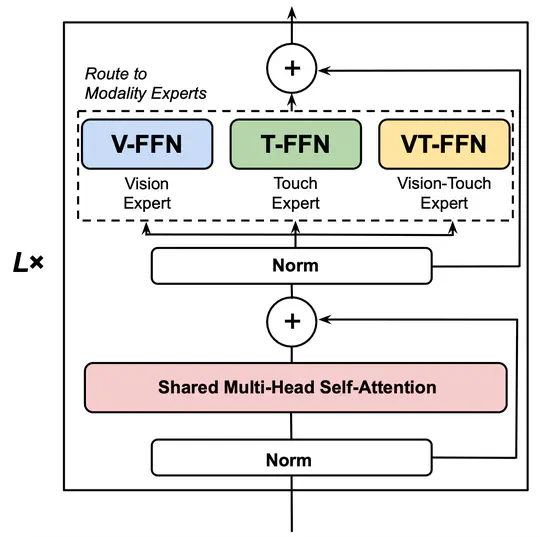
VTMo is a vision-touch Transformer with shared self-attention plus modality-specific and cross-modal experts. It combines the speed of a dual encoder with the cross-modal reasoning of a fusion encoder. Trained with InfoNCE on 3,600 image-touch pairs from Touch and Go, VTMo reached 57.27% Recall@1 on image-to-touch retrieval, compared with 15.11% for the frozen-attention baseline, while using fewer FLOPs than a CLIP-style dual encoder.
VTMo: Unified Visuo-Tactile Transformer Encoder with Mixture-of-Modality-Experts
Babysitting a Small Language Model through One-Step Tree-of-Thoughts Knowledge Distillation

Anurag Renduchintala*, Adi Mahesh*, Zichen Zhang*, Zimo Si*, Shangjun Meng*, Samuel Fang*.

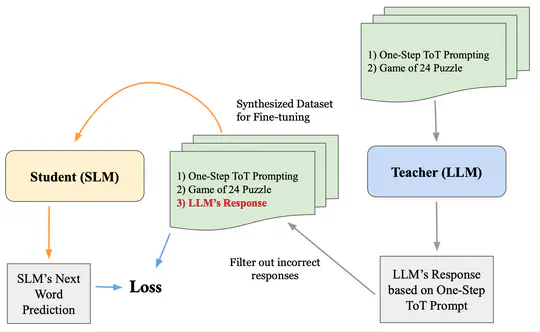
We compressed multi-step Tree-of-Thoughts reasoning into one structured prompt. On Game of 24, One-Step ToT reached 19% accuracy, compared with 7% for Chain-of-Thought and 4% for Multi-Step ToT. We then fine-tuned SmolLM-360M on 144 examples generated by GPT-4o, raising its accuracy from 1% to 9%. A separate Multi-Step ToT run with GPT-4o reached 82%, above the 74% GPT-4 result reported by Yao et al. in 2023.
Babysitting a Small Language Model through One-Step Tree-of-Thoughts Knowledge Distillation
Learning Pushing Dynamics for Arbitrary 2D Rigid Bodies

Art Boyarov*, Zichen Zhang*.

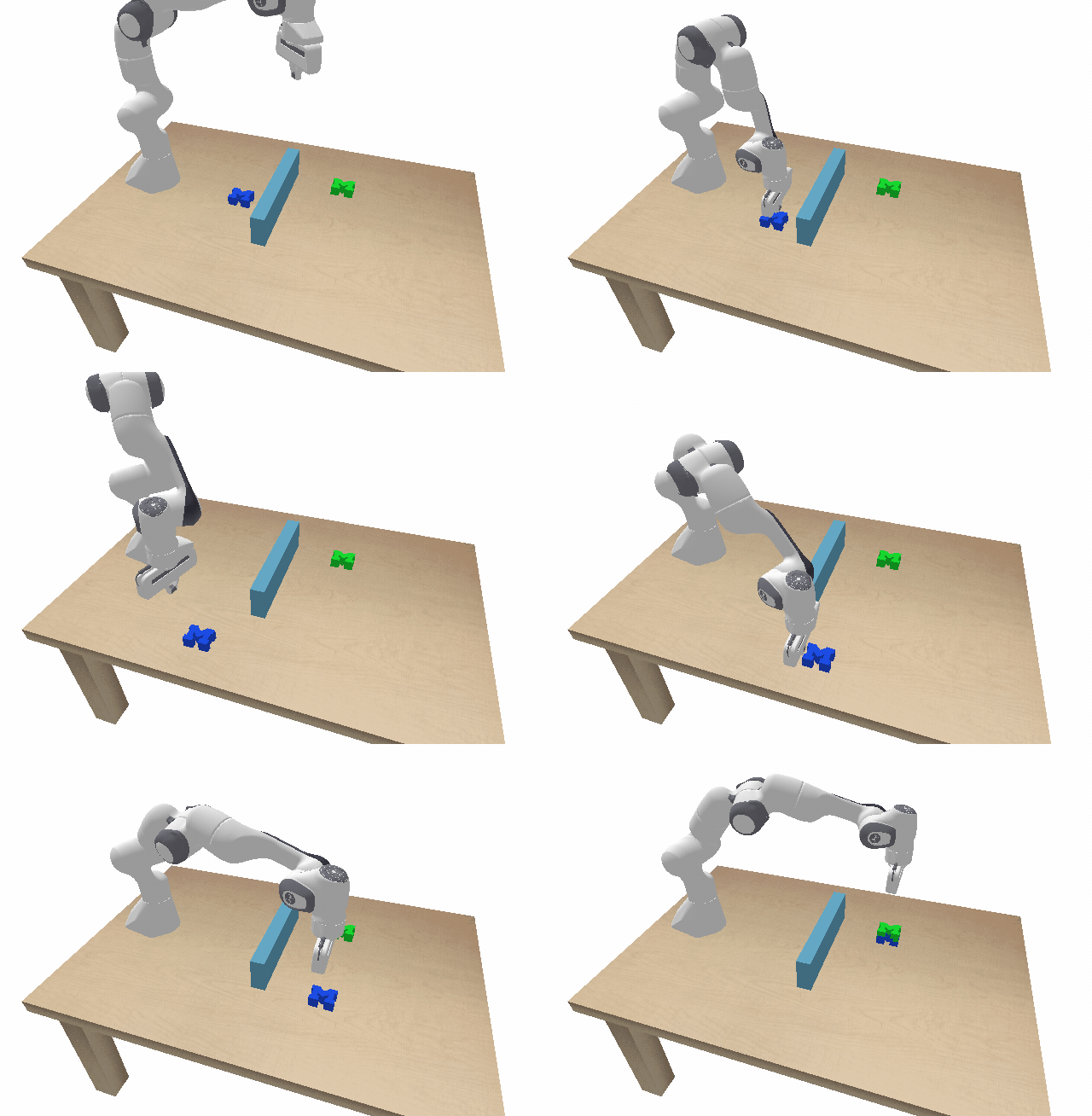
We trained neural networks on simulated Franka Panda data to predict how arbitrary 2D rigid bodies move when pushed. A deeper point-cloud-inspired network modeled different shapes better than a shallow MLP. We then used the learned dynamics in a Model Predictive Path Integral (MPPI) controller for closed-loop pushing and obstacle avoidance.
Learning Pushing Dynamics for Arbitrary 2D Rigid Bodies
Meowtive: Autonomous AI Characters for Cozy Game Worlds
🏆 Fifth Place, Supercell AI Hackathon 🏆
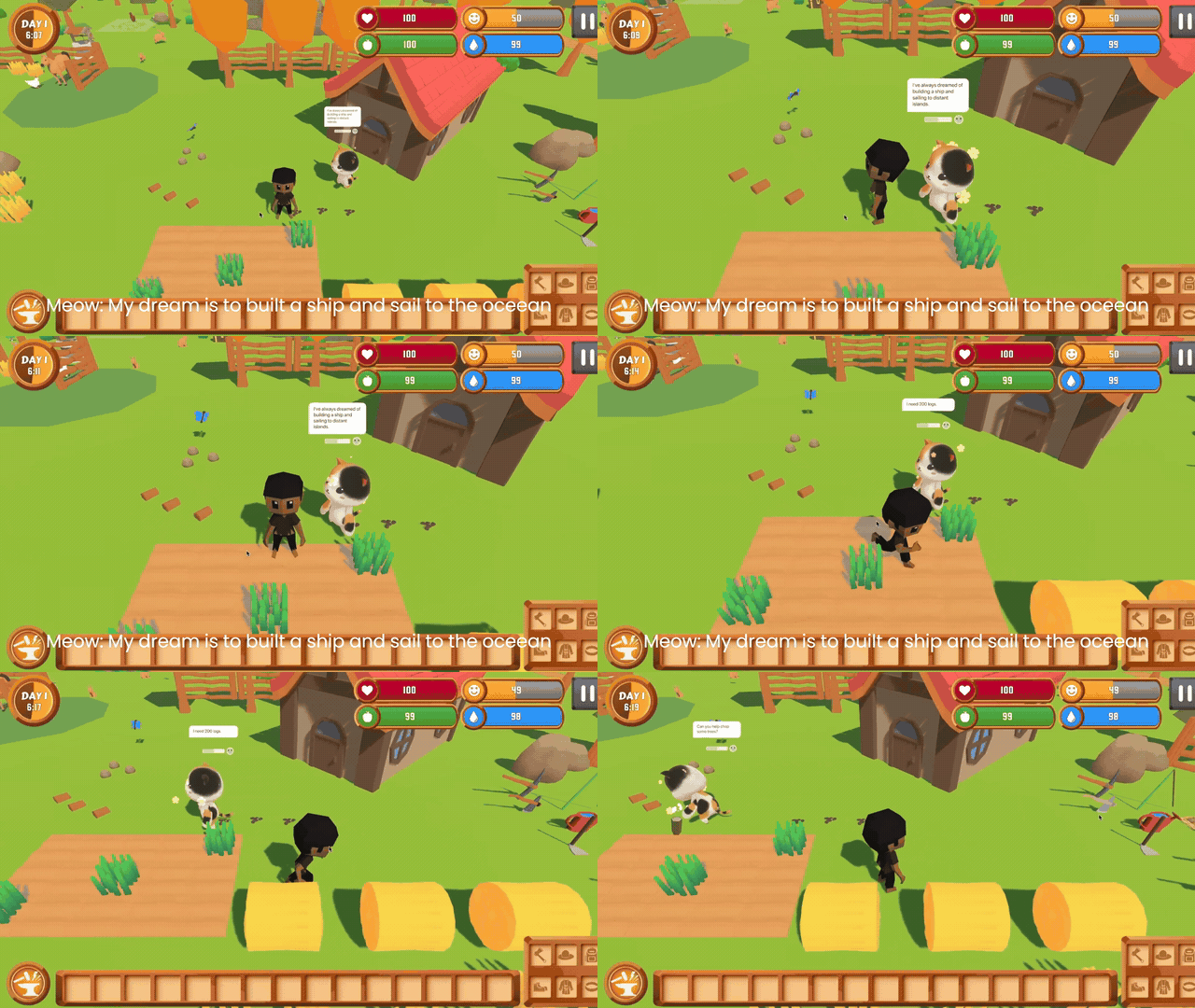
Meowtive is a cozy-game AI system built with Unity, LangChain, and Google Gemini. Its cat agent chooses activities such as fishing or exploring based on its personality, mood, and surroundings. It can start conversations, ask the player for help when it gets lost, and carry out requests. A persistent memory tracks what the player enjoys and what the cat has learned from earlier mistakes.
Meowtive: Autonomous AI Characters for Cozy Game Worlds
GenHint: An AI Coding Assistant that Teaches How to Code
🏆 Honorable Mention, Best Developer Tool 🏆. MHacks 17 Hackathon, 2024
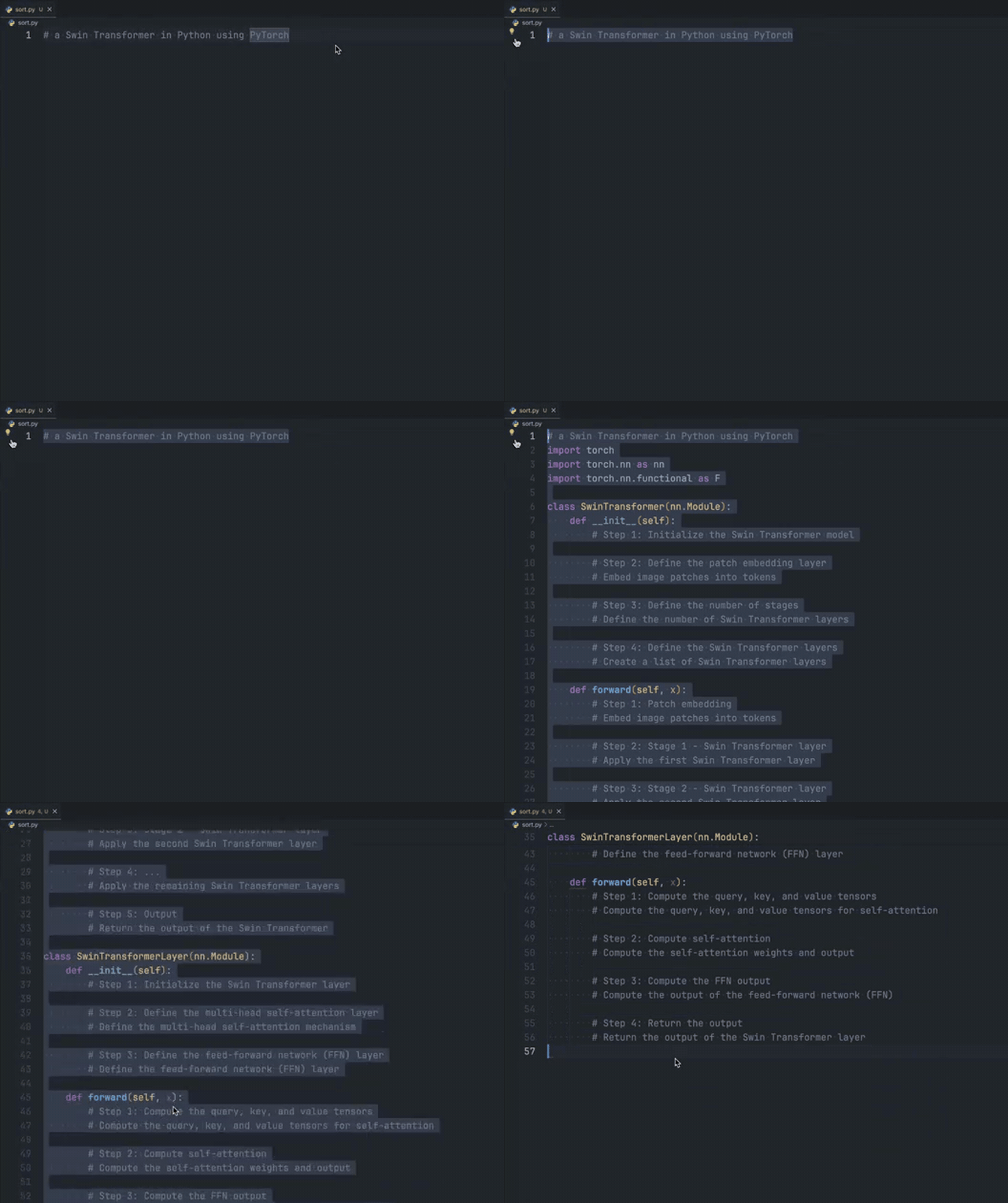
GenHint is a VS Code extension that teaches students how to work through a programming problem instead of returning a finished answer. It turns a comment into a code template with TODO steps, then explains each step and reviews the result. Our four-person team built it in 24 hours with TypeScript, the VS Code API, Groq, and Llama 3 70B, then published it on the Visual Studio Marketplace.
GenHint: An AI Coding Assistant that Teaches How to Code
Collage: Pinterest for College Advising
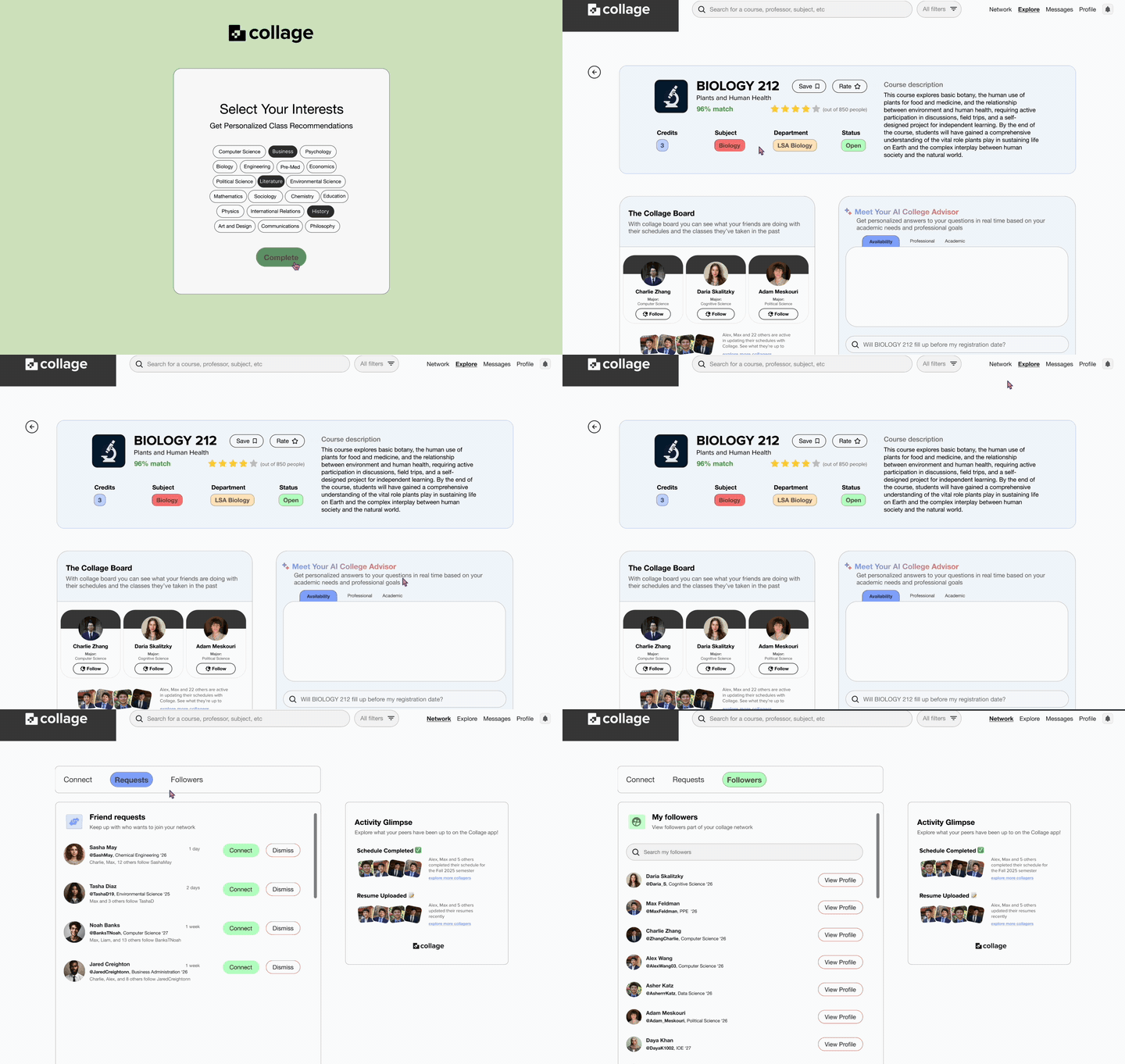
Collage is an AI course discovery and planning tool for University of Michigan students. Students sign in with their school account, browse a Pinterest-style course catalog organized around their interests and career plans, ask an AI advisor for scheduling help, and share schedules with classmates.
Collage: Pinterest for College Advising
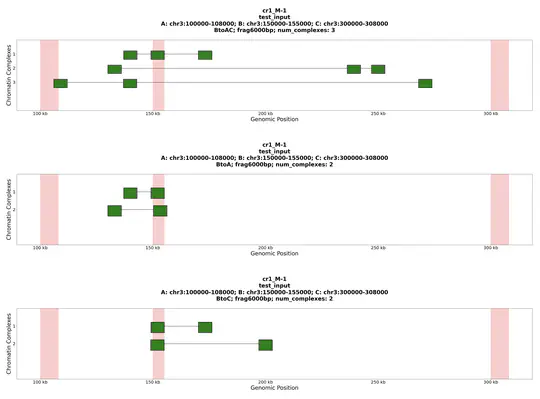
MIA-Sort: Multiplex Chromatin Interaction Analysis by Efficiently Sorting Chromatin Complexes

Zichen Zhang, Minji Kim.

MIA-Sort is a Python bioinformatics tool that extracts and sorts chromatin complexes from large Hi-C and Pore-C datasets. Researchers can use the output to analyze chromatin loops, stripes, jets, and hubs when studying loop extrusion.
MIA-Sort: Multiplex Chromatin Interaction Analysis by Efficiently Sorting Chromatin Complexes

Blogs

*
UMich EECS 482 Operating System Notes

UMich EECS 482 Operating System Notes

General programming patterns for writing multi-threaded programs and implementing synchronization primitives with low-level hardware

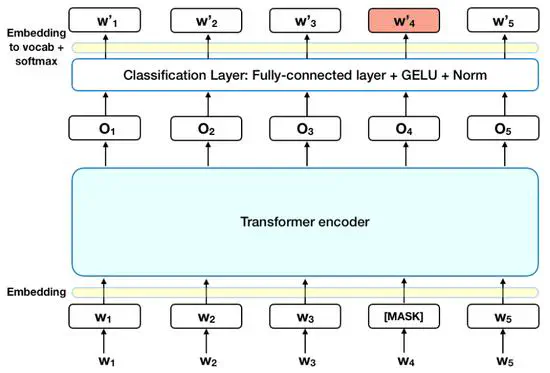
A Deep Learning Tutorial Written for Everyone

A Deep Learning Tutorial Written for Everyone

A detailed introduction to the most common deep learning model architectures and theories, including Transformer, BERT, GAN, Meta Learning, Adversarial Learning, Reinforcement Learning, Network Compression, Anomaly Detection, etc.

Experience


Stealth Startup
Engineering
Stealth Startup
Jan 2026 – Present San Francisco, CA, USA
Privacy-focused voice agent with long-term IRL memory for display smart glasses


V11
Venture Partner
Mar 2026 – Present San Francisco, CA, USA
Connecting startups and founders with funds and technical talent


Mira
Founding Software Engineer
Jun 2025 – Nov 2025 San Francisco, CA, USA

Joined at pre-seed as the first full-time hire. Mira went on to raise $6.6 million from General Catalyst, Naval Ravikant, Pillar VC, Soma Capital, Village Global, and angel investors.

Built the real-time voice stack with Soniox, WebRTC, TorchServe, and PyTorch Audio, covering speech-to-text, voice activity detection, speaker diarization, and voice fingerprinting.

Developed the agent memory layer with mem0, semantic search, and graph retrieval. Built FastAPI microservices with WebSockets on AWS ECS and configured autoscaling.


Supercell
AI Engineer Intern, AI Innovation Lab
Apr 2025 – Jun 2025 Helsinki, Uusimaa, Finland

Built an agent-based NPC dialogue system for the company behind Brawl Stars, Clash Royale, and Clash of Clans. The system generated dialogue trees at runtime and adapted each character’s mood and storyline to the player’s actions.

Developed the backend with FastAPI and the Google GenAI SDK, deployed it on AWS Lambda, and connected it to Unity C# game clients for real-time dialogue.


Collage
Co-Founder
Mar 2024 – Jun 2025 Ann Arbor, MI, USA
AI personalized academic advising and scheduling at UMich


University of Michigan
Research Intern, Minji Lab
May 2024 – Dec 2024 Ann Arbor, MI, USA
Open-source tool for sorting massive chromosome datasets


University of Michigan
Research Intern, Direct Brain Interface Lab
Sep 2022 – Apr 2023 Ann Arbor, MI, USA
Automated user interaction for internal BCI survey tool

Awards

MHacks 2024
Honorable Mention Best Developer Tool
More than 550 students from universities across North America took part in MHacks 2024.
University of Michigan
University Honors
Received in all six of my full-time terms at Michigan, from Fall 2022 through Winter 2025.
University of Michigan
James B. Angell Scholar
Awarded for an A record across two or more consecutive terms. Received in 2024 and 2025.
University of Michigan
William J. Branstrom Freshman Prize
Awarded to first-term students who rank in the top 5% of their class.

Fun Facts

  • My Chinese name is åŧ į´Ģ厸. į´Ģ means purple, while 厸 originally referred to an emperor's residence.
  • I grew up in Zhangjiagang, near Suzhou, China. I attended the International Department at Jiangsu Provincial Liangfeng Senior Middle School before transferring to Rochester Adams High School in Rochester Hills, Michigan.
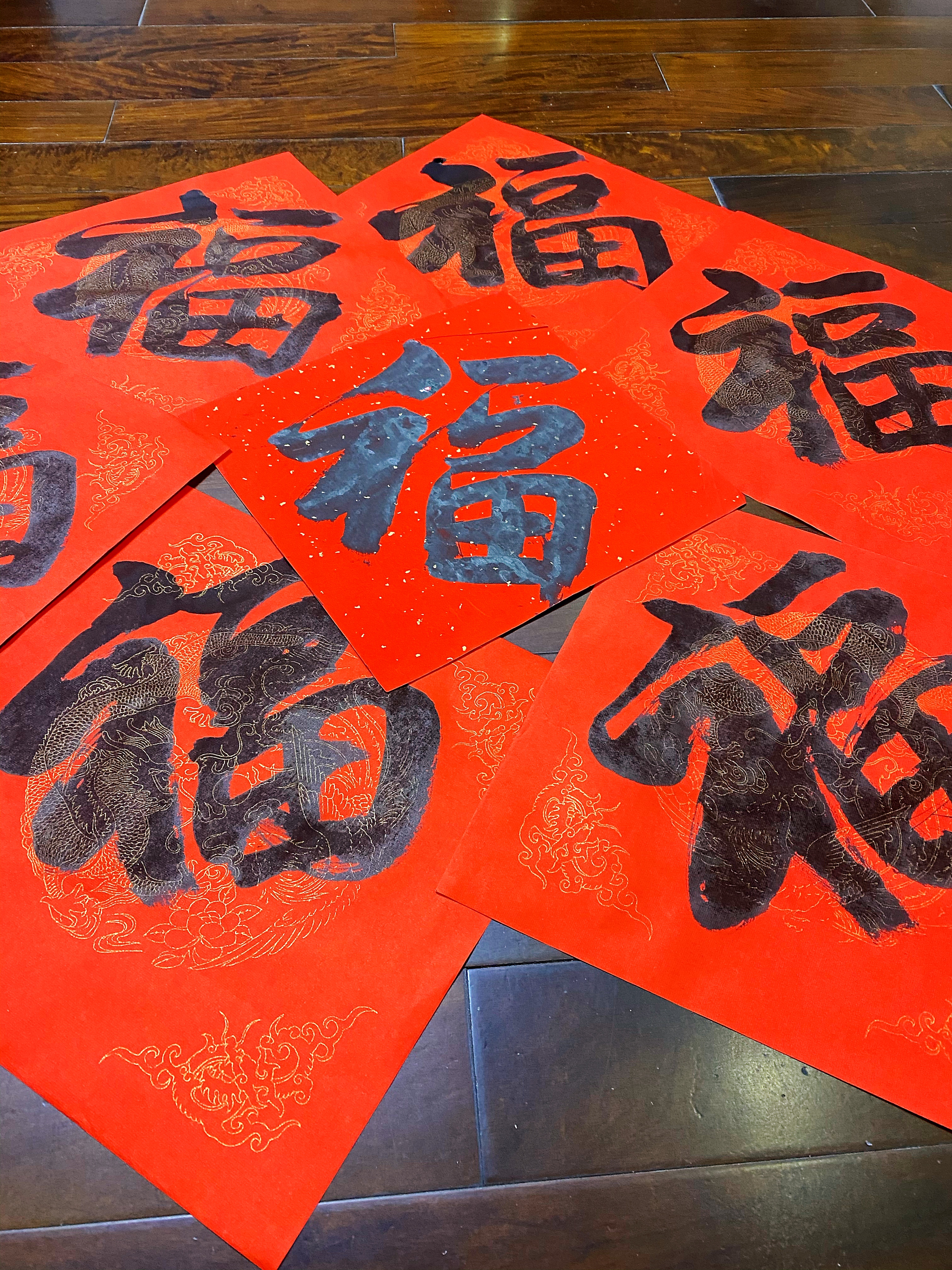
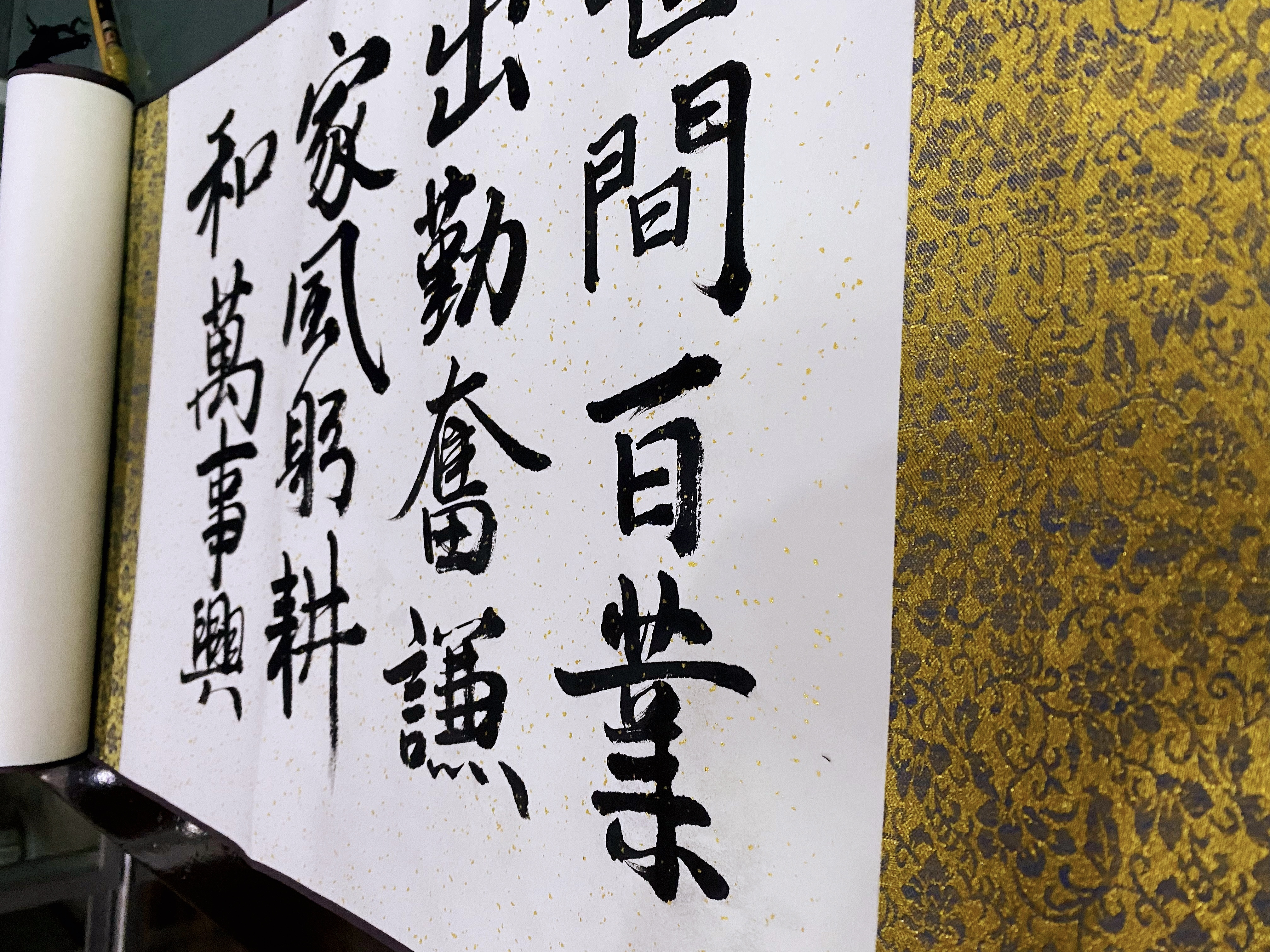
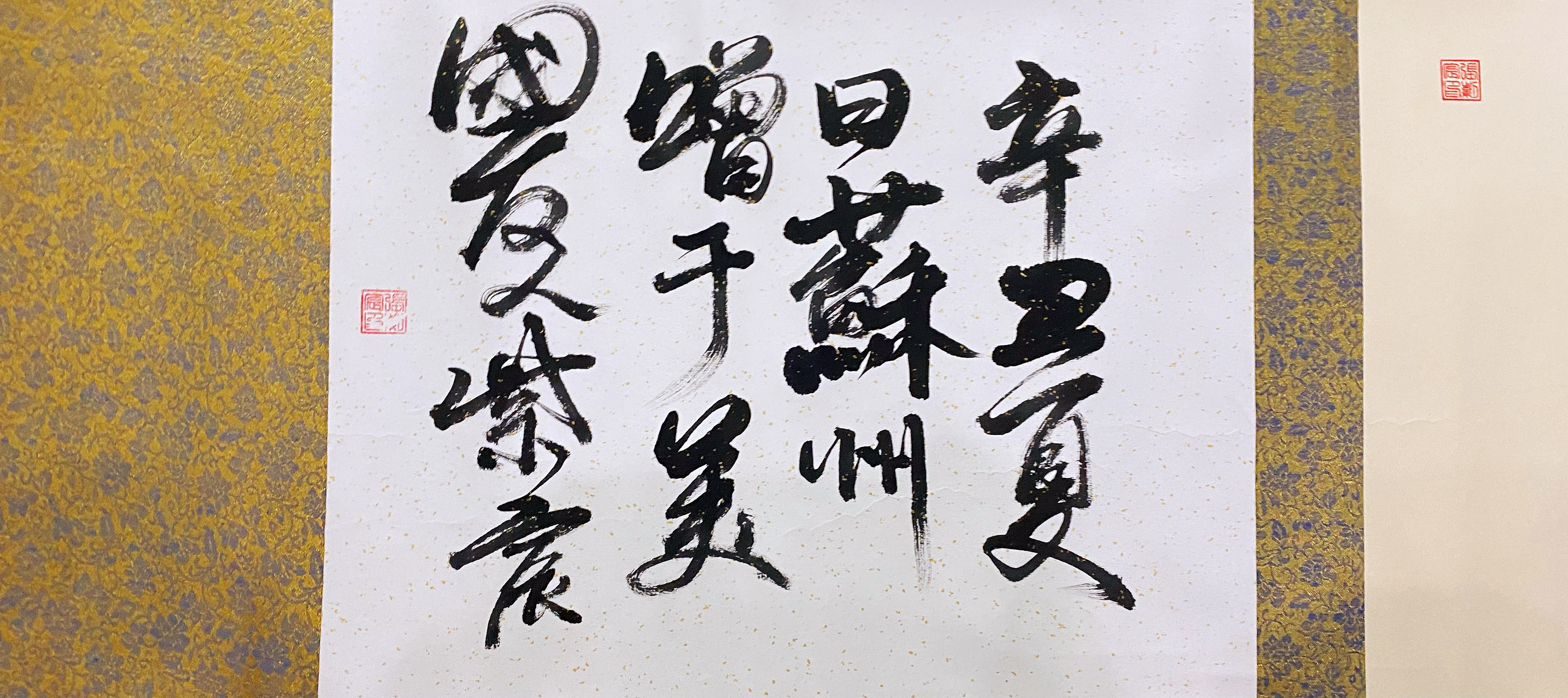
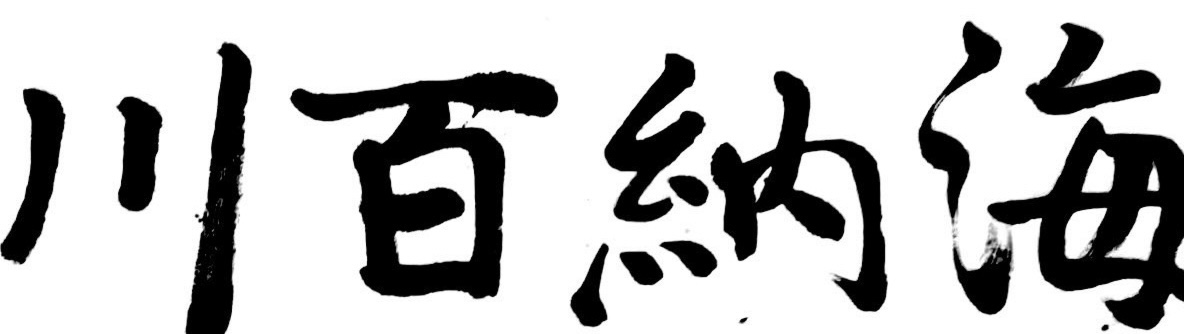
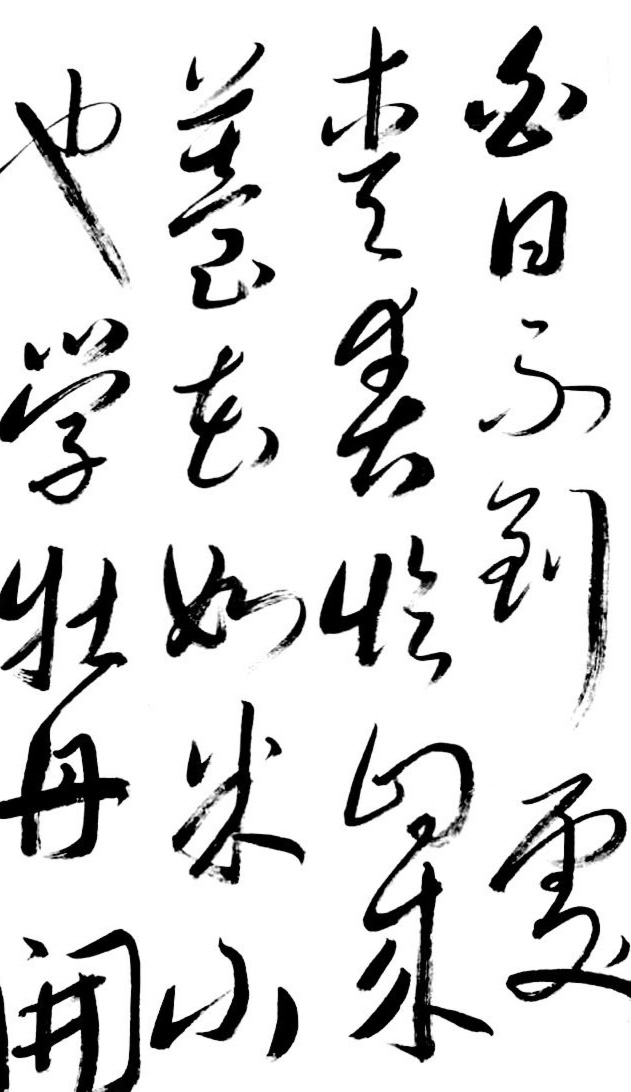
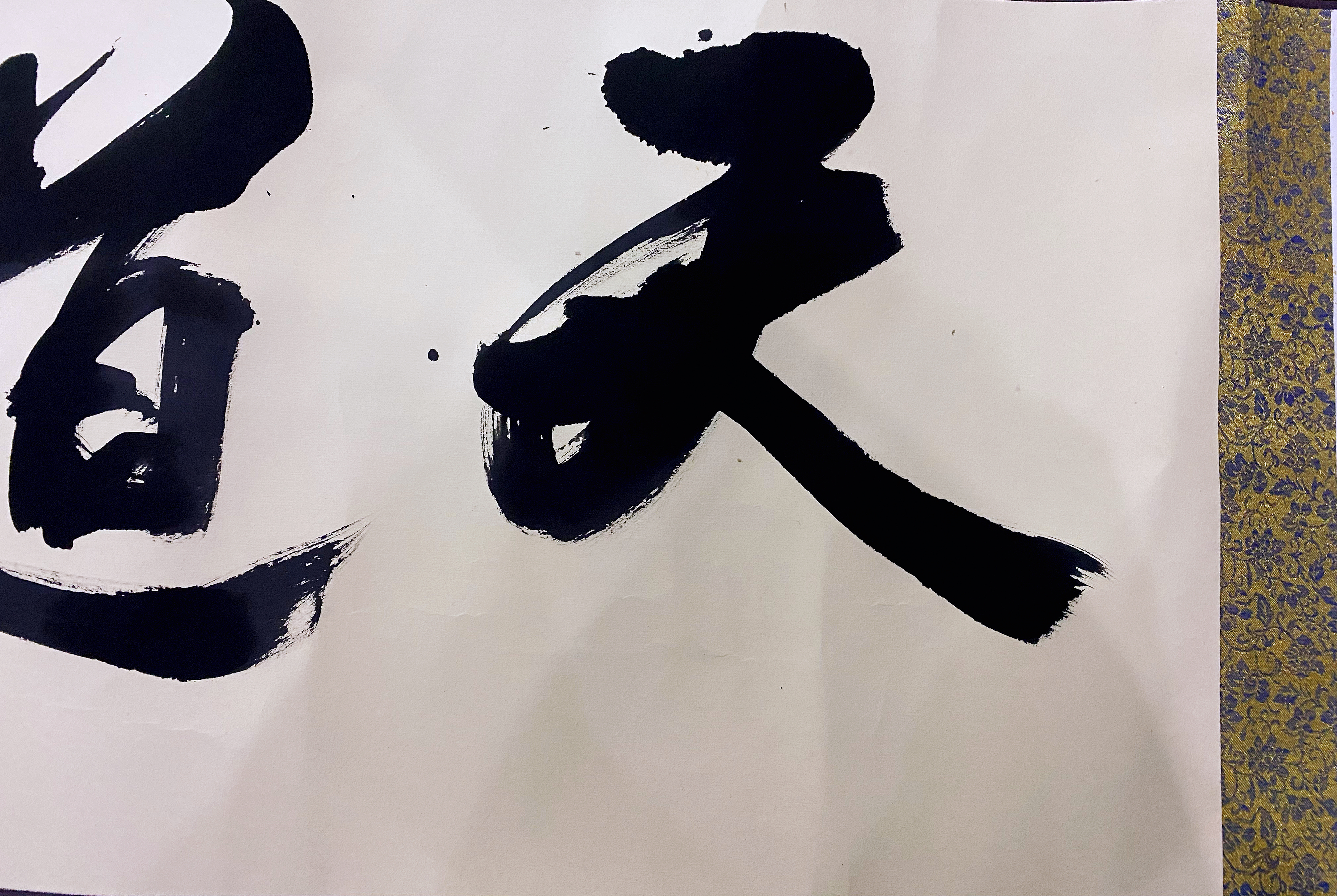
  • I've practiced Chinese calligraphy since elementary school. Some of my recent work is below and on Instagram.

Photography